
Used Cooking Oil
How to Store Used Cooking Oil Safely at Your Restaurant
October 25, 2026 · 5 min read
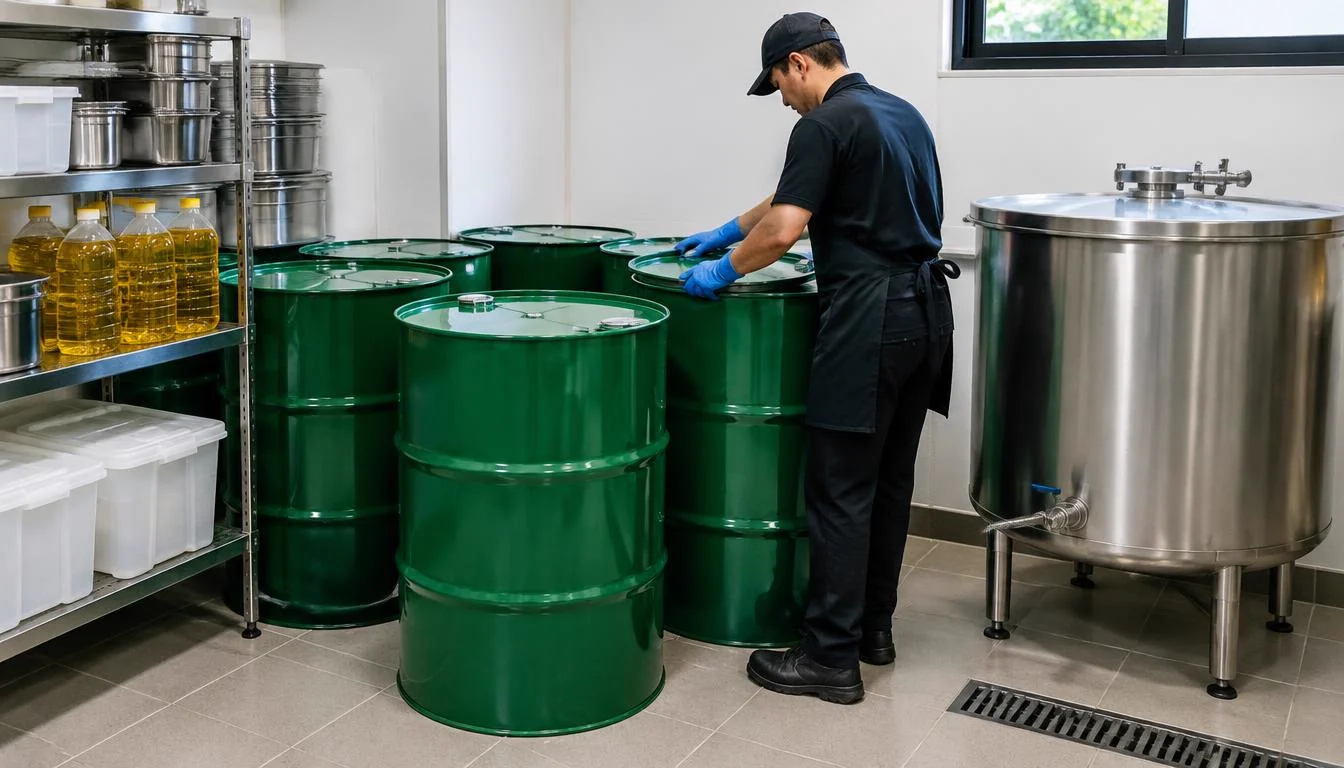
Every fryer eventually produces used cooking oil, and where that oil goes between fryer changes matters. Stored properly, used oil is a recyclable material that can earn your business rebates. Stored badly, it's a burn risk, a slip hazard, a magnet for pests and theft, and a possible violation of your local FOG (fats, oils, and grease) rules.
Here's how to store used cooking oil safely, whether you run a single food truck or a high-volume hotel kitchen.
Step 1: Let the Oil Cool Before You Move It
Hot oil is the biggest hazard in the process. The USDA notes that deep-frying oil can exceed 400°F, and that water hitting very hot oil turns instantly to steam and can cause dangerous splattering.
- Turn the fryer off and let the oil cool before draining or transferring it. Follow your fryer manufacturer's instructions for safe draining.
- Keep water away from hot oil, including wet buckets, wet utensils, and splashing from a nearby sink.
- Wear appropriate protective equipment, such as heat-resistant gloves and an apron.
- Never carry open containers of hot oil through a busy kitchen.
Step 2: Use the Right Transfer Equipment
Carrying oil in an open stockpot to the back door is how spills and burns happen. Better options:
- A container or caddy built for transferring fryer oil, with a lid and handles.
- Funnels and screens that keep crumbs and batter out of the storage container.
- Containers that seal, never open buckets left sitting around.
Straining out food debris also keeps the oil cleaner and more valuable for recycling.
Step 3: Store It in a Dedicated, Lidded Container
Your used cooking oil should go into one dedicated container, never into a dumpster, a drain, or the grease trap. Florida's grease waste law even treats receptacles designed for collecting used cooking oil separately from grease traps.
Good storage containers:
- Have a secure lid that stays closed, so rainwater, pests, and debris stay out. Utilities like the Emerald Coast Utilities Authority (Pensacola area) specifically recommend keeping grease containers closed and emptying them before they're completely full to avoid spills.
- Lock. A locking lid helps prevent oil theft, which is a real problem for restaurants. See How to Prevent Used Cooking Oil Theft at Your Restaurant.
- Fit your volume. Too small and it overflows. Too large and it takes up space you don't have.
Cooking Oil Recyclers provides free locking containers sized for your kitchen, at no cost and with no deposit:
- 55-gallon drum for food trucks, cafés, and small kitchens
- 150-gallon standard outdoor bin for restaurants with 3–5 fryers
- 200–300-gallon high-volume outdoor container for high-volume kitchens, hotels, and chains
- 170–240-gallon indoor tank for kitchens without outdoor space
Step 4: Choose a Smart Location
Where you put the container matters as much as what it is:
- Level, stable ground, away from foot traffic, so it can't tip.
- Away from storm drains. Spilled oil that reaches a storm drain can flow straight to local waterways. Keep it out of the stormwater system.
- Easy access for pickup. Keep a clear path for the collection driver.
- Away from heat and ignition sources. Cooking oil is flammable.
- Indoors if needed. If you don't have outdoor space, an indoor tank keeps everything contained.
Step 5: Keep the Area Clean
Oil drips around a container attract pests, create slip hazards, and leave stains on concrete. Best practices from local FOG programs include:
- Clean up drips and spills right away with absorbent material, then sweep it up. Don't hose oil into drains.
- Keep absorbent material near the container.
- Inspect the container and lid regularly for damage or leaks.
Cooking Oil Recyclers also offers container area and driveway cleaning, so the back of your building stays as clean as your kitchen.
Step 6: Schedule Pickups Before the Container Fills
An overflowing container defeats the purpose. Set up a regular pickup schedule, weekly or bi-weekly based on your volume, so the container is emptied on time. If your volume changes (new menu items, a busy season, longer hours), let your collector know so the schedule can change with it.
Step 7: Train Your Staff
Your storage system only works if everyone follows it:
- Show staff the safe draining and transfer process.
- Post "no grease down the drain" signs at sinks.
- Make sure everyone knows where the absorbent and the fire extinguisher are.
- Tell staff who to call if the container is full or damaged.
What About Homes?
Residential customers generate used cooking oil too. The same rules apply on a smaller scale: let the oil cool, keep it in a sealed container, and never pour it down the sink. Cooking Oil Recyclers serves residential customers as well. Call us to ask about options for your home.
Get a Free Container and Start Earning Rebates
Proper storage turns used oil into value. We pay rebates for your used cooking oil, including cash (We Pay Cash), services, or products. Learn how restaurants get paid for used cooking oil.
We serve kitchens across Florida (including Orlando, Tampa, Jacksonville, Pensacola, Daytona Beach, and West Palm Beach), plus areas of Georgia, Alabama, Mississippi, and South Carolina. See our service areas.
Call (407) 329-6626 (7 AM – 8 PM) or request a free pickup online. It takes under 2 minutes.
FAQ
Can I store used cooking oil in the dumpster? No. Keep it in a dedicated, lidded used cooking oil container. Dumpsters leak, and oil in the trash can cause spills and stormwater problems.
How long can used cooking oil sit before pickup? That depends on your container size and volume. The goal is a pickup schedule that empties the container before it's full.
Do I have to pay for the container? No. Our containers are provided free, with no deposit, and include a locking lid.
Can I pour small amounts of oil down the drain? No. Even small amounts add up and contribute to clogs in your plumbing and the sewer system.
Do you provide containers for indoor kitchens? Yes. We offer indoor tanks for kitchens without outdoor space.
Sources
Related
More Articles
Used Cooking Oil
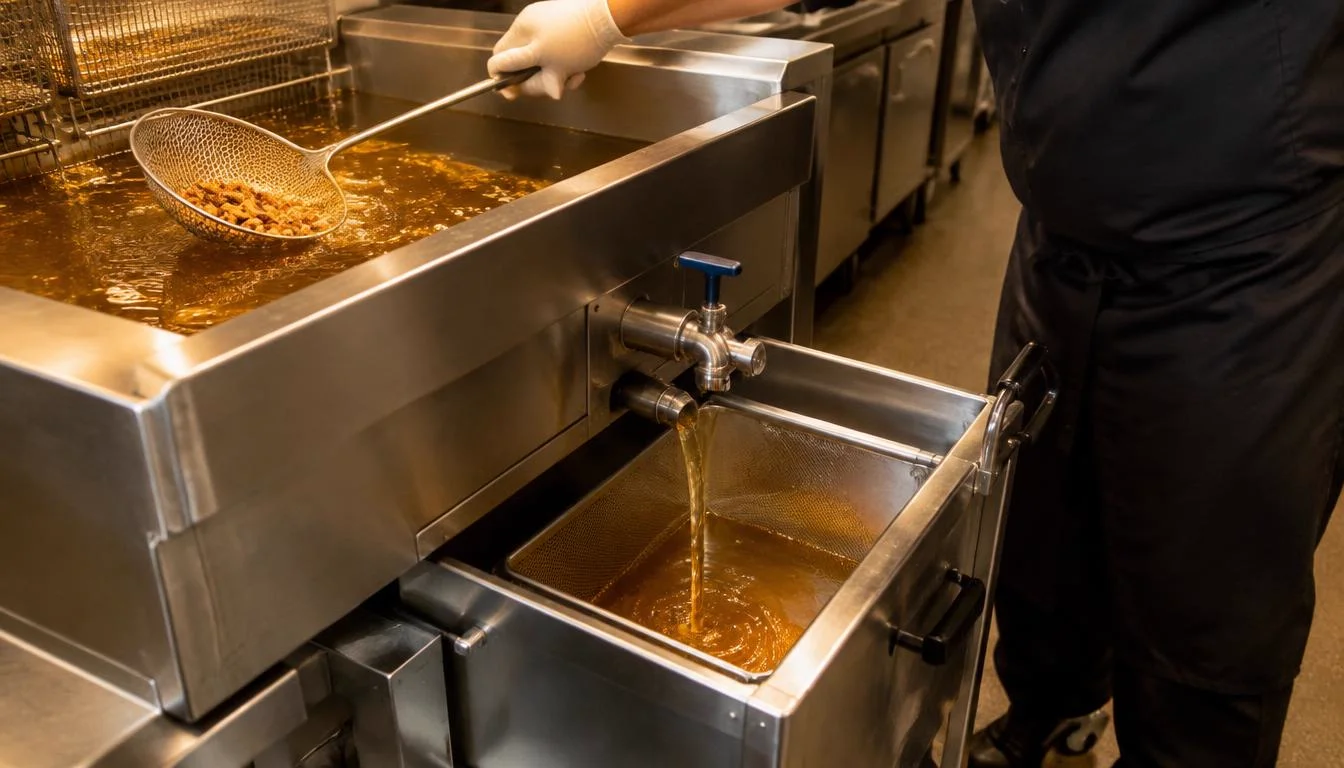
Fryer Oil Tips: How to Extend Oil Life in Your Commercial Kitchen
Practical fryer oil tips for restaurants: filtering, temperature control, skimming, covering, and knowing when to change oil — plus what to do with used oil.
October 25, 2026 · 5 min read
Used Cooking Oil
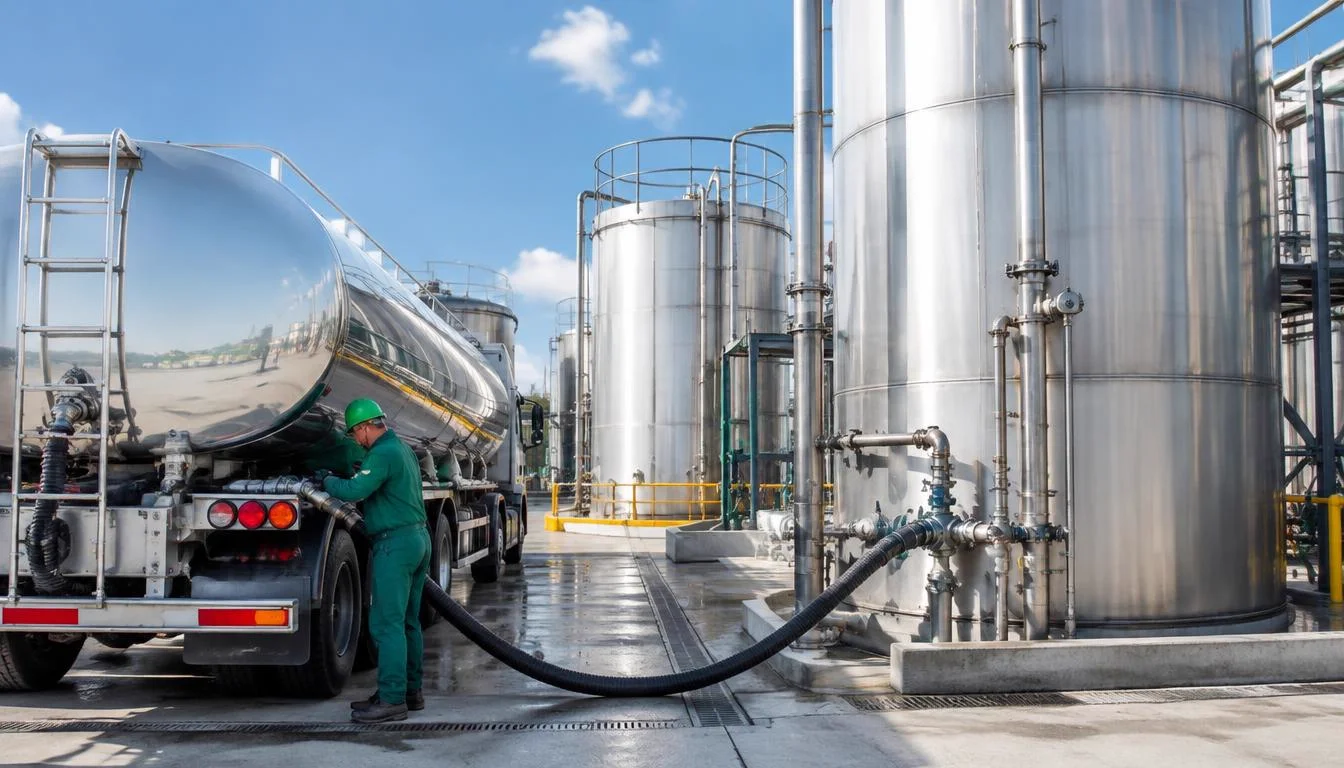
What Happens to Used Cooking Oil After Pickup? From Fryer to Renewable Fuel
Ever wonder where your restaurant's used cooking oil goes? Learn how used cooking oil is collected, cleaned, and recycled into biodiesel, renewable diesel, and other products.
October 25, 2026 · 5 min read