Used Cooking Oil
Fryer Oil Tips: How to Extend Oil Life in Your Commercial Kitchen
October 25, 2026 · 5 min read
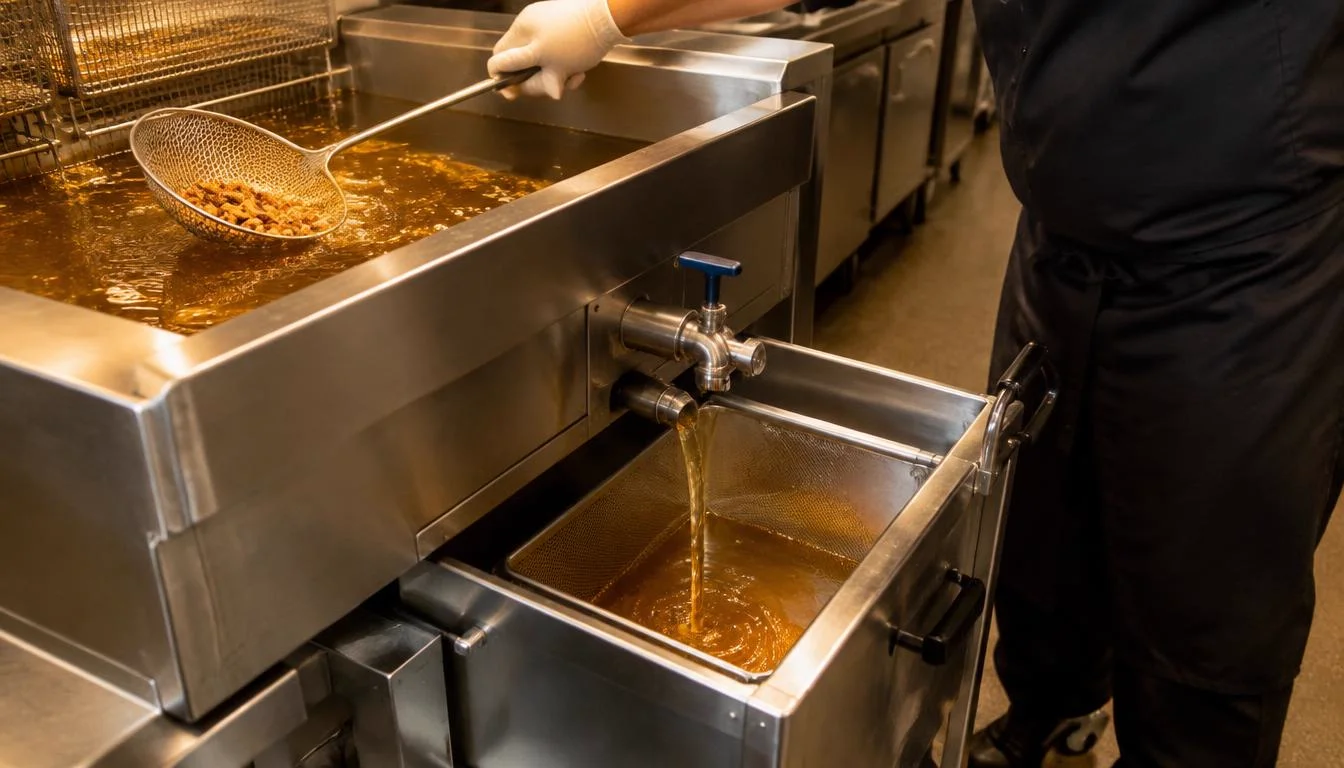
Fryer oil is one of the biggest recurring costs in many kitchens, and it directly affects how your food tastes. Change it too often and you waste money. Change it too late and you serve dark, greasy, off-tasting food. The goal is oil that stays good longer, and a clear signal for when it's time to change it.
There's no universal "change it every X days" rule. How long oil lasts depends on what you fry, how much you fry, your fryer, and how you treat the oil. These habits will help you get the most out of every fill.
Why Fryer Oil Breaks Down
Every time oil is heated and used, it goes through chemical changes. Heat, air (oxygen), water from food, and food particles all speed that up. As oil breaks down it gets darker and thicker, foams more, smokes at a lower temperature, and gives off odors. Food safety agencies like the Singapore Food Agency note that repeatedly heating oil to high frying temperatures speeds this breakdown and lowers the oil's smoke point.
The tips below all work by reducing heat stress, air, water, and debris.
1. Filter Your Oil Regularly
Food crumbs, batter, and breading burn and break down in the oil, which speeds up degradation. Filtering removes them.
- Filter according to your fryer manufacturer's recommendations. Busy kitchens often filter daily or even between shifts.
- Use your fryer's built-in filtration system if it has one. Otherwise use a filter cone, screen, or filter machine.
- USDA guidance for reusing oil is to strain it through a fine sieve or cheesecloth.
2. Skim Debris Throughout the Day
Between batches, use a skimmer to pull out floating bits of food. It takes seconds and keeps burnt particles from sitting in hot oil for hours.
3. Don't Overheat It
Running oil hotter than needed speeds breakdown. Use the temperature your recipe and fryer manufacturer recommend, and check that your thermostat is accurate. Every oil has a smoke point; the USDA lists approximate smoke points such as about 450°F for peanut and soybean oil and about 435°F for canola. Frying well below the smoke point helps oil last longer.
4. Turn Fryers Down During Slow Periods
Oil sitting at full frying temperature with nothing in it is still breaking down. Many fryers have an idle or standby mode. Lower the temperature, or turn fryers off, during slow periods if your operation allows it.
5. Keep Water and Salt Away From the Oil
- Water speeds oil breakdown and can cause dangerous splattering. The USDA warns that water hitting very hot oil turns to steam instantly. Shake off ice crystals from frozen foods and pat wet foods dry.
- Salt and seasonings speed breakdown too. Season food away from the fryer, not over it.
6. Cover Fryers When Not in Use
Air and light speed oil breakdown. Cover fryers when they're off, and store reused oil in a sealed, light-proof container, as both the USDA and SFA recommend.
7. Dedicate Fryers by Food Type (If You Can)
Breaded proteins, fish, and heavily seasoned items break oil down faster and can transfer flavors. If you have more than one fryer, dedicating one to fries and another to breaded or seafood items can help each batch of oil last longer and taste cleaner.
8. Top Off With Fresh Oil
Keeping the oil at the right fill line helps it hold its temperature when you add food. Topping off with fresh oil as the level drops also dilutes broken-down oil.
9. Clean Fryers on a Schedule
A full boil-out and cleaning, per your fryer manufacturer's instructions, removes carbon and residue that would otherwise contaminate fresh oil. Make sure the fryer is completely dry before refilling.
10. Know When to Change It
No trick makes oil last forever. Change the oil when you see:
- Dark color with food that browns too fast
- Heavy foaming that doesn't settle
- Smoking at normal frying temperatures
- Off odors or flavors, such as rancid, fishy, or "old" taste
- Thick, gummy texture
- Greasy food, meaning food absorbs more oil than usual
The USDA advises discarding oil that is cloudy, foams, or has a foul odor, taste, or smell. Some kitchens also use oil test strips or meters to make the call more consistent.
What to Do With Oil When It's Done
When it's time to change the oil, never pour it down a drain. It contributes to clogs in your plumbing, grease trap, and the sewer. Let it cool, then transfer it into your used cooking oil container. See How to Store Used Cooking Oil Safely.
That's where Cooking Oil Recyclers comes in:
- Free locking containers sized for your kitchen, at no cost and with no deposit
- Scheduled pickups, weekly or bi-weekly
- Rebates for your used oil, including cash (We Pay Cash), services, or products. How restaurants get paid for used cooking oil
- Grease trap cleaning and container area cleaning from the same provider
We serve restaurants, food trucks, hotels, caterers, and residential customers across Florida, Georgia, Alabama, Mississippi, and South Carolina. See our service areas.
Call (407) 329-6626 (7 AM – 8 PM) or request a free pickup online.
FAQ
How often should I change fryer oil? There's no single rule. It depends on volume, menu, fryer, and oil care. Watch for darkening, foaming, smoking, off odors, and greasy food.
Does filtering really make oil last longer? Yes. Removing food particles slows breakdown, which is why fryer manufacturers build in filtration.
Why does salt shorten oil life? Salt and many seasonings speed up the chemical breakdown of frying oil, so season away from the fryer.
Is it safe to reuse frying oil? The USDA says oil can be reused if you strain it and store it properly, and that you should discard it if it's cloudy, foams, or smells or tastes off.
What do I do with oil I can't reuse? Put it in a used cooking oil container for recycling. Never pour it down the drain.
Sources
Related
More Articles
Used Cooking Oil
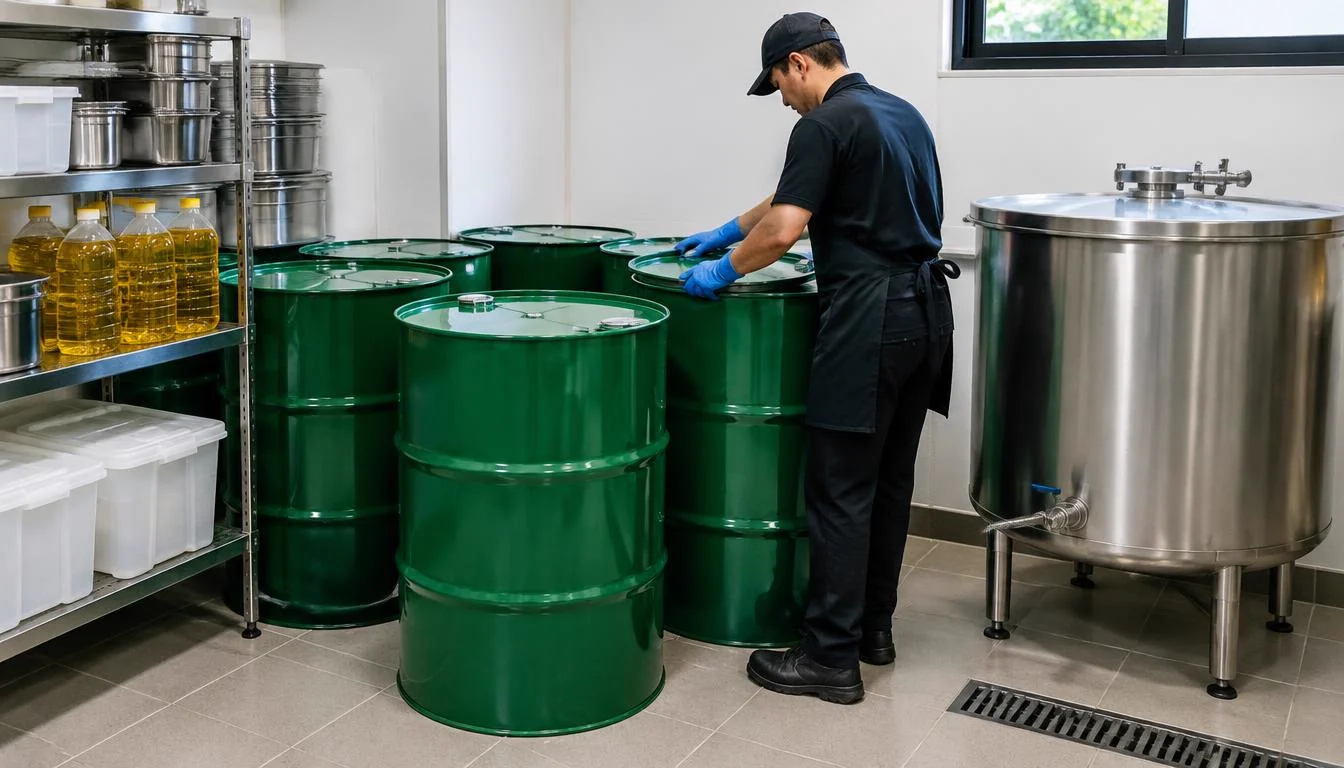
How to Store Used Cooking Oil Safely at Your Restaurant
Safe used cooking oil storage for restaurants and food trucks: cooling, transferring, container placement, preventing spills and theft, and scheduling pickups.
October 25, 2026 · 5 min read
Used Cooking Oil
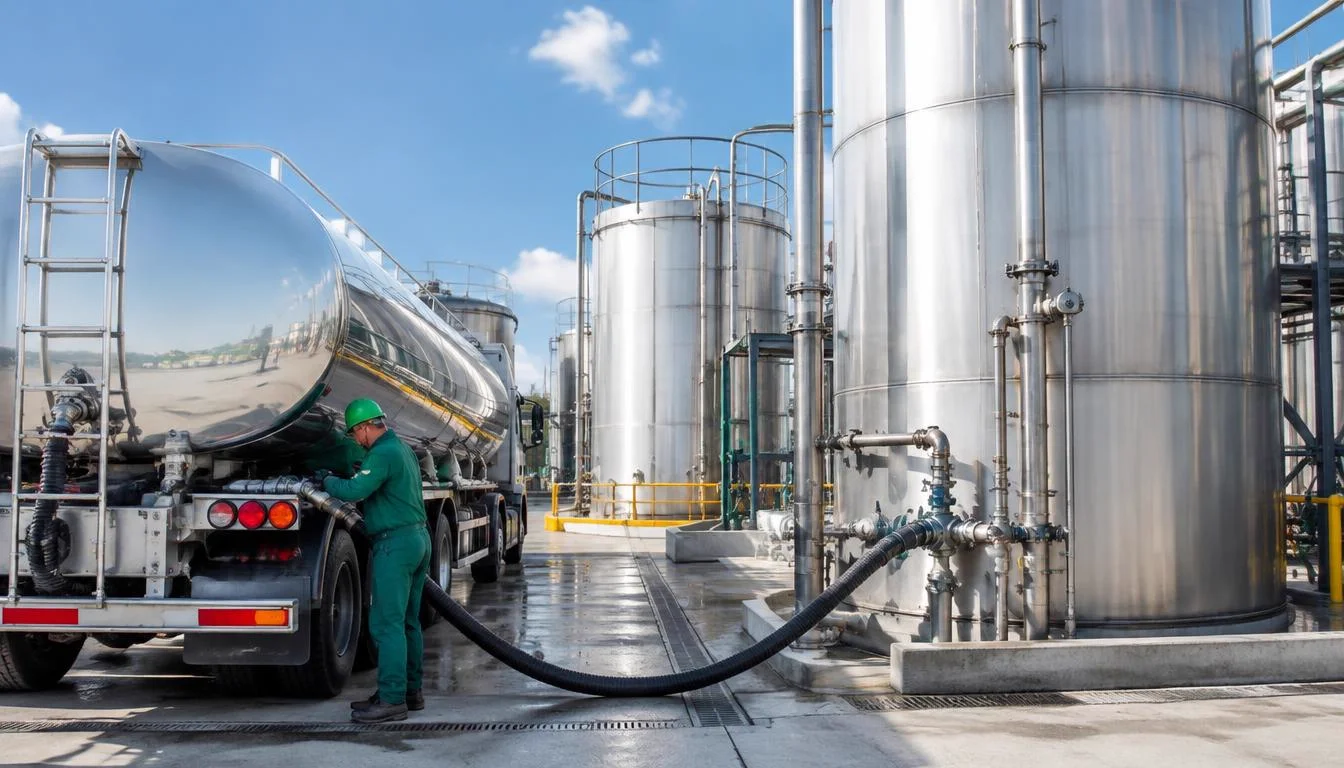
What Happens to Used Cooking Oil After Pickup? From Fryer to Renewable Fuel
Ever wonder where your restaurant's used cooking oil goes? Learn how used cooking oil is collected, cleaned, and recycled into biodiesel, renewable diesel, and other products.
October 25, 2026 · 5 min read