Used Cooking Oil
How Restaurants Get Paid for Used Cooking Oil
October 20, 2026 · 3 min read
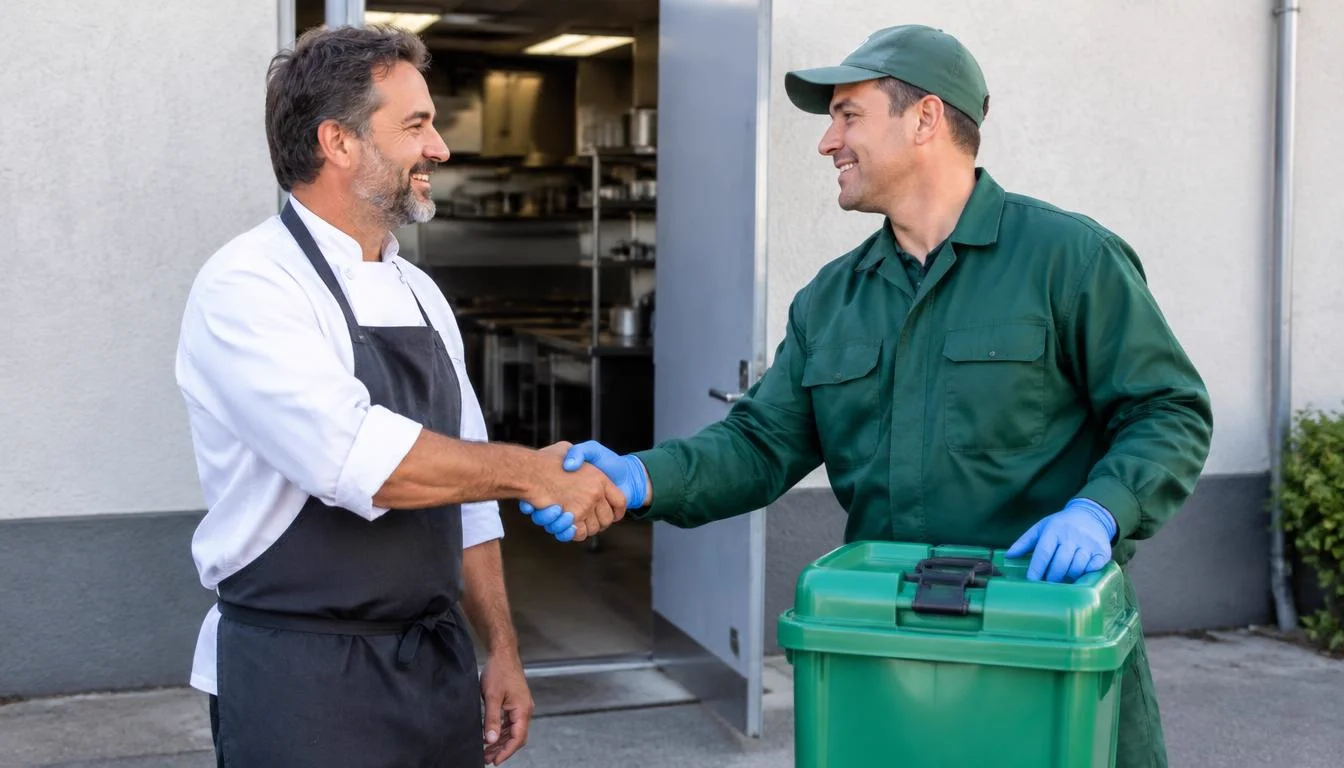
If your kitchen runs fryers, you are producing something many restaurant owners overlook: a commodity with real market value. Used cooking oil (often called UCO or yellow grease) is in steady demand as a raw material for renewable fuels such as biodiesel and renewable diesel. That demand is the reason collection companies can pay you for oil you would otherwise have to pay to get rid of.
Here is how it works and what you can do to get the most out of every gallon.
Why Used Cooking Oil Has Value
Once your oil can no longer be used for frying, it can still be cleaned, processed, and turned into renewable fuel. Refiners and processors buy it by the pound or by the gallon, and that value flows back down the supply chain to the kitchens that generate it.
Because used cooking oil is traded as a commodity, its price moves with the market. Demand for renewable fuels, prices of fresh vegetable oils, and broader energy markets all play a role. That is why reputable collectors pay market-based rebates instead of a fixed price forever.
How Cooking Oil Rebates Work
The typical process is simple:
- You get a container. A good collector provides a container sized for your kitchen at no cost, usually with a locking lid.
- You fill it. Your staff empties fryers into the container as part of normal oil changes.
- The collector picks up on a schedule. Most kitchens are on a weekly or bi-weekly pickup, depending on volume.
- You get paid. Your rebate is based on the volume collected and current market conditions.
You never have to haul oil anywhere, and you never pay for disposal.
What Affects How Much You Get Paid
Not every gallon is worth the same. These factors make the biggest difference:
1. Volume
The more oil your kitchen produces, the more you earn. High-volume kitchens with several fryers, such as full-service restaurants, hotels, and chains, see the largest rebates.
2. Oil Quality
Clean oil is worth more. Water, food debris, and other contaminants lower the value because they have to be removed before the oil can be processed.
3. What Goes in the Container
Only used cooking oil should go into your oil container. Dish water, mop water, trash, and other liquids reduce quality and can make a load unusable.
4. Theft
Every gallon that disappears from an unsecured container is money out of your pocket. Oil theft is a real problem for restaurants, which is why locking containers matter. (We cover this in detail in our guide on how to prevent used cooking oil theft.)
How to Maximize Your Used Cooking Oil Rebate
- Let oil cool before transferring it. It is safer for your staff and reduces spills.
- Strain out food particles before pouring oil into the container whenever possible.
- Keep the lid closed and locked to keep out rain, debris, and pests.
- Train your team to never pour water, cleaning chemicals, or trash into the oil container.
- Use the right container size. A container that overflows wastes oil and creates a mess. One that is too large for your volume is unnecessary. Your collector should help you choose.
- Stay on a consistent pickup schedule so the container never overfills.
What to Look For in a Used Cooking Oil Collector
Before you sign up with anyone, ask:
- Do you provide the container free of charge?
- Does the container have a locking lid?
- How often will you pick up, and can the schedule change as my volume changes?
- How are rebates calculated and paid?
- Do you offer other services, such as grease trap cleaning?
Turn Your Used Cooking Oil Into Revenue
Cooking Oil Recyclers pays competitive, market-based rebates for used cooking oil and provides free locking containers sized for your kitchen. Through our certified collection network, we serve restaurants, food trucks, hotels, and commercial kitchens across Florida, Alabama, Georgia, and Louisiana, including Orlando, Tampa, and Atlanta.
Ready to start getting paid for your oil? Request your free pickup today.
Related
More Articles
Used Cooking Oil
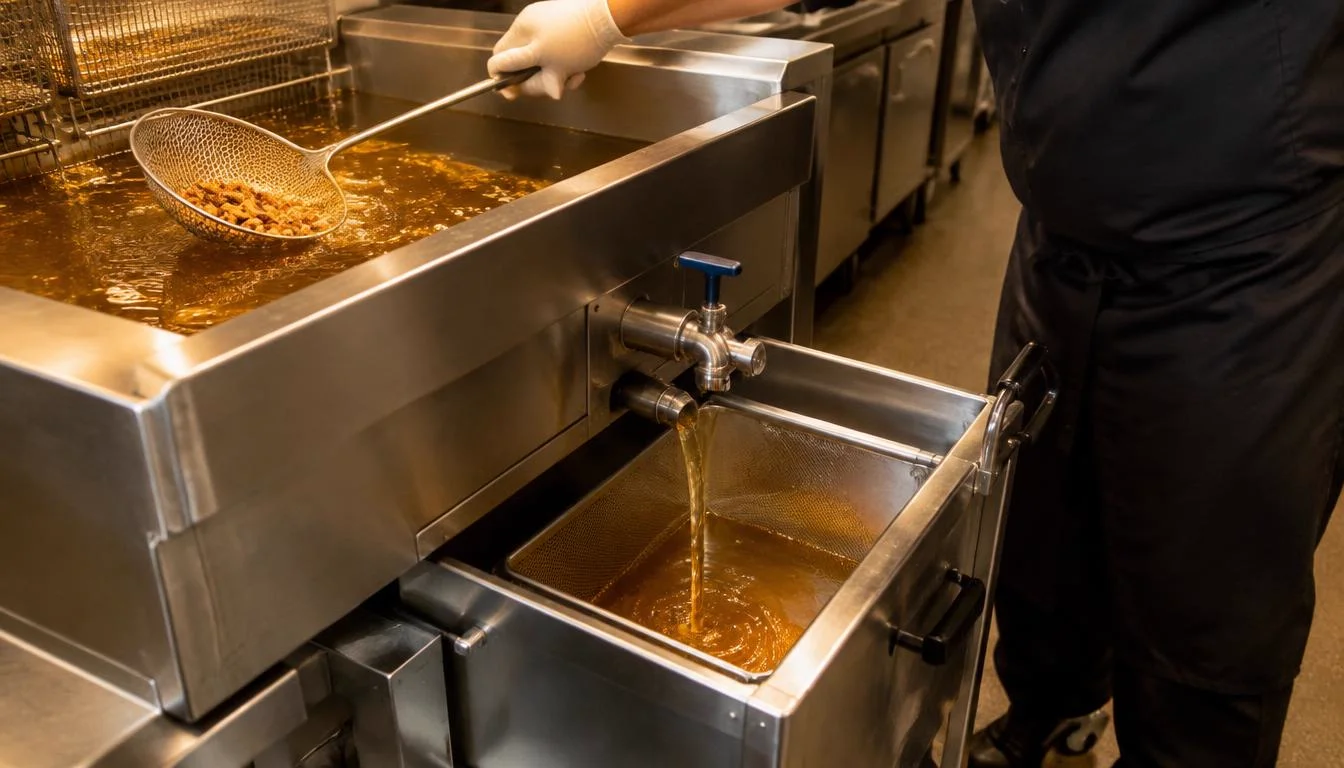
Fryer Oil Tips: How to Extend Oil Life in Your Commercial Kitchen
Practical fryer oil tips for restaurants: filtering, temperature control, skimming, covering, and knowing when to change oil — plus what to do with used oil.
October 25, 2026 · 5 min read
Used Cooking Oil
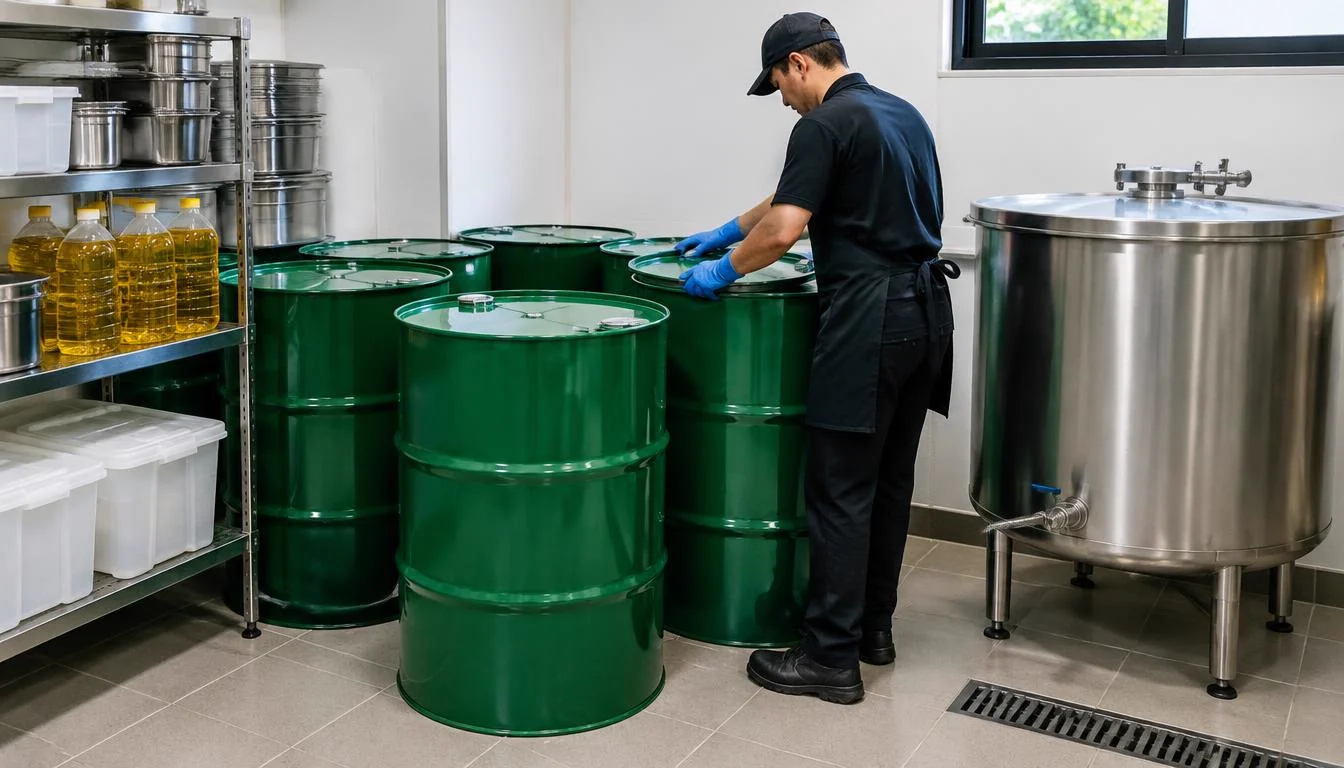
How to Store Used Cooking Oil Safely at Your Restaurant
Safe used cooking oil storage for restaurants and food trucks: cooling, transferring, container placement, preventing spills and theft, and scheduling pickups.
October 25, 2026 · 5 min read