Used Cooking Oil
How to Prevent Used Cooking Oil Theft at Your Restaurant
October 20, 2026 · 3 min read
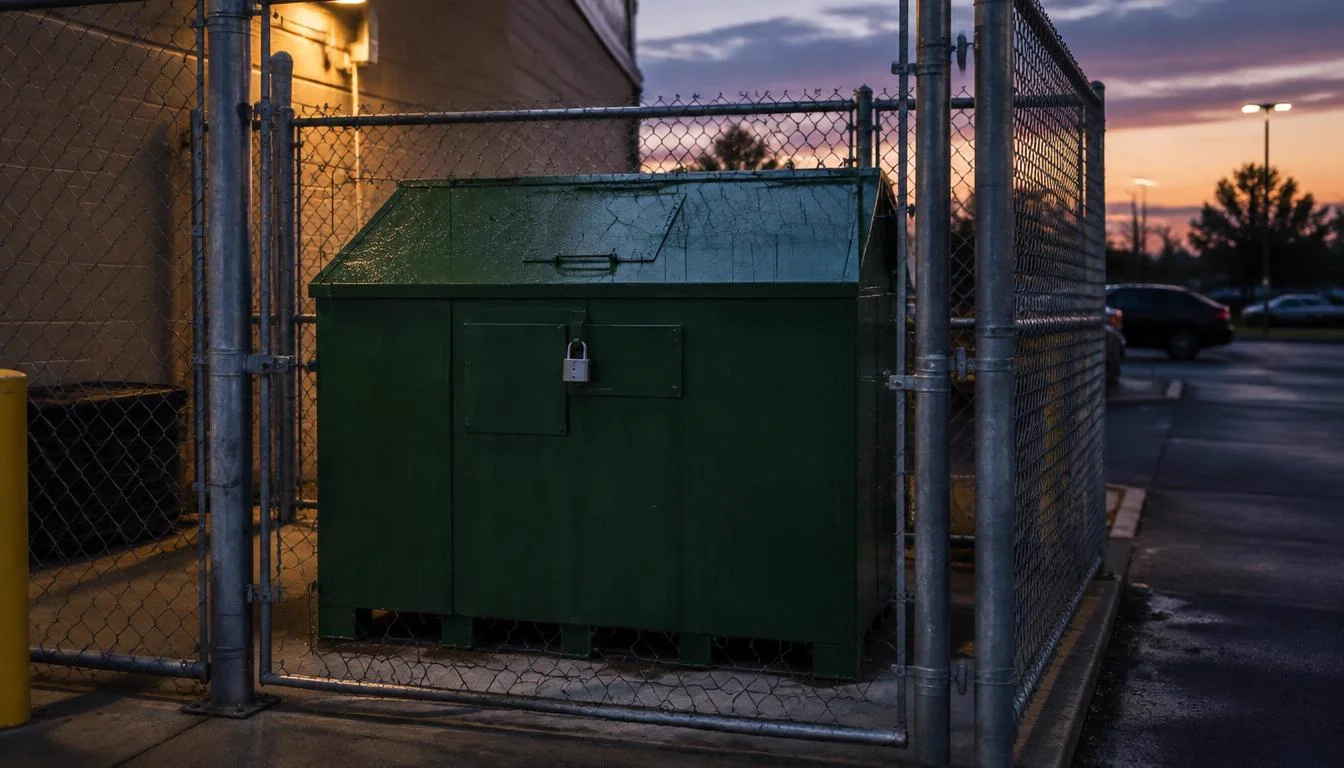
Most restaurant owners don't think of their used fryer oil as something worth stealing. Thieves do. Because used cooking oil can be sold to processors for renewable fuel, unsecured containers behind restaurants are an easy target. When oil goes missing, you lose the rebate you should have been paid, and you may deal with spills, damaged equipment, and messy outdoor areas.
Here is how to recognize theft and what you can do to stop it.
Signs Your Used Cooking Oil Is Being Stolen
- Your container is emptier than it should be right before a scheduled pickup.
- Your rebates drop even though your kitchen is just as busy as before.
- Your collector reports low or no volume at pickup.
- You find spills, drips, or hose marks around the container that don't match your normal routine.
- The lid, lock, or container shows damage, such as pry marks or a cut lock.
- Unknown trucks are seen near your back lot, especially at night or early morning.
If any of these sound familiar, it is worth taking a closer look.
How to Protect Your Used Cooking Oil
1. Use a Locking Container
This is the single most important step. A container with a secure, locking lid stops most opportunistic theft. If your current container doesn't lock, ask your collector for one that does. It should not cost you anything.
2. Place the Container Where People Can See It
Containers hidden in a dark corner of the lot are easier to empty without anyone noticing. When possible, place the container:
- In a well-lit area
- Within view of the back door or a camera
- Away from easy vehicle access from the street
3. Add Lighting and Cameras
Motion-activated lighting and a visible security camera are strong deterrents. Even if you never need the footage, thieves are less likely to target a container they know is being watched.
4. Know Your Collector
Make sure your staff knows which company collects your oil, what their vehicles look like, and when pickups are scheduled. Anyone showing up outside that schedule, or in an unmarked truck, should be questioned.
5. Keep a Consistent Pickup Schedule
A container that is regularly emptied holds less oil at any given time, which makes it a less attractive target. Weekly or bi-weekly scheduled pickups also make it easier to notice when something is off.
6. Track Your Volume
Keep a simple record of how often your fryers are changed and compare it with what is collected. A sudden drop in collected volume, without a drop in business, is a red flag.
7. Train Your Team
Your employees are your first line of defense. Make sure they:
- Always close and lock the container after use
- Report damage to the lid or lock immediately
- Know not to let anyone access the container without confirming who they are
What to Do If You Suspect Theft
- Document it. Take photos of any damage, spills, or tampering.
- Contact your collector. They can confirm their pickup records and help you secure the container.
- Upgrade your security. Add a lock, move the container, or add lighting and cameras.
- Report it to local law enforcement if you have evidence of theft.
Get a Free Locking Container
Every container Cooking Oil Recyclers provides comes with a locking lid at no cost, and our certified collection network picks up on a weekly or bi-weekly schedule so your oil never sits around for long. We serve kitchens across Florida, Alabama, Georgia, and Mississippi, including Orlando, Jacksonville, and Savannah.
Want to know what your oil is worth? Read how restaurants get paid for used cooking oil, or request your free pickup today.
Related
More Articles
Used Cooking Oil
Fryer Oil Tips: How to Extend Oil Life in Your Commercial Kitchen
Practical fryer oil tips for restaurants: filtering, temperature control, skimming, covering, and knowing when to change oil — plus what to do with used oil.
October 25, 2026 · 5 min read
Used Cooking Oil
How to Store Used Cooking Oil Safely at Your Restaurant
Safe used cooking oil storage for restaurants and food trucks: cooling, transferring, container placement, preventing spills and theft, and scheduling pickups.
October 25, 2026 · 5 min read