Grease Traps
How Often Should a Grease Trap Be Cleaned?
October 20, 2026 · 3 min read
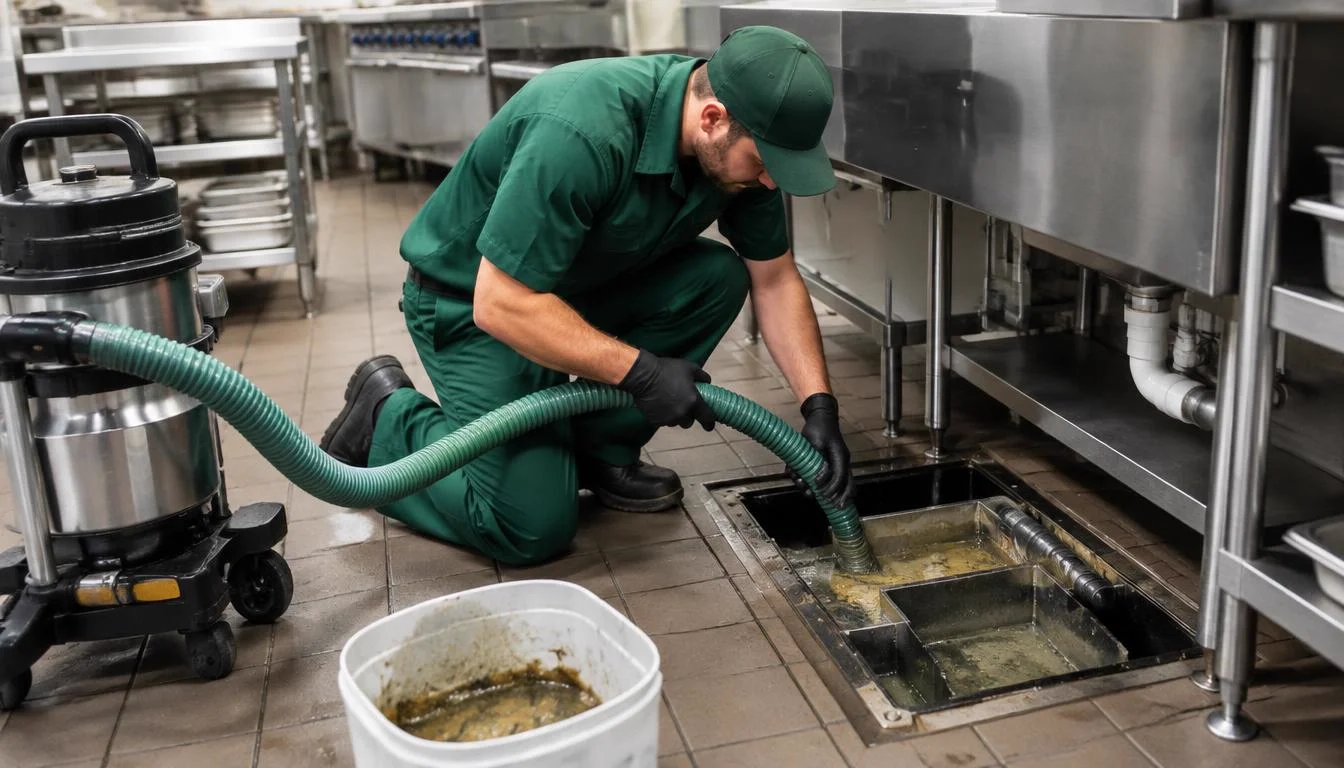
Every commercial kitchen that washes dishes, pots, and pans sends fats, oils, and grease (often called FOG) down the drain. A grease trap catches that FOG before it reaches the sewer line. But a grease trap only works if it is cleaned regularly. Wait too long, and you are looking at clogged drains, foul odors, backups, and possibly a kitchen that has to stop service.
So how often should yours be cleaned? The honest answer is: it depends on your kitchen. Here is how to figure it out.
The Short Answer
Many commercial kitchens need their grease trap cleaned every one to three months. Busy, high-volume kitchens, especially those with heavy frying or lots of dishwashing, may need it more often. Smaller kitchens with low grease output may be able to go longer.
The right schedule is the one that keeps your trap from filling past the point where it stops working.
The 25% Rule
Many local utilities and plumbing professionals use a simple guideline: a grease trap should be cleaned before the grease and settled solids take up about 25% of the trap's capacity. Past that point, the trap becomes less effective and grease can start passing through into your pipes and the sewer.
Your local utility or municipality may have its own specific requirements for cleaning frequency and record-keeping, so it is always worth checking the rules where your restaurant operates.
What Affects How Often You Need Cleaning
- Size of the trap. Smaller under-sink traps fill up faster than large outdoor interceptors.
- Kitchen volume. More meals means more dishes and more grease going down the drain.
- Menu. Fried foods, meats, sauces, and dairy all add more FOG.
- Kitchen habits. Scraping plates into the trash before washing reduces how much grease reaches the trap.
Signs Your Grease Trap Is Overdue
Don't wait for a backup. Schedule a cleaning if you notice:
- Slow-draining sinks in the kitchen or dish area
- Bad odors coming from drains or the area around the trap
- Grease or water backing up into sinks or floor drains
- Grease visible in drains downstream of the trap
- It has simply been too long since the last cleaning
Why Regular Cleaning Matters
Keeping your grease trap on a regular schedule helps you:
- Avoid emergency plumbing calls and unexpected downtime
- Prevent odors that customers and staff notice
- Protect your pipes and the sewer line
- Stay on the right side of local requirements for FOG management
- Keep your kitchen and outdoor areas cleaner
Tips to Reduce Grease Going Down the Drain
- Scrape plates and cookware into the trash before washing.
- Never pour used fryer oil down a drain. Store it in a used cooking oil container for recycling instead.
- Use sink strainers to catch food solids.
- Wipe greasy pans with a paper towel before washing.
The second tip matters twice: used fryer oil poured down the drain overloads your grease trap, and it is oil you could have been paid for.
One Provider for Your Oil and Grease
Cooking Oil Recyclers offers commercial grease trap cleaning along with free used cooking oil collection, so you can handle your kitchen's oil and grease with one provider. We also clean the outdoor area and driveway around your oil container. We serve restaurants, hotels, and commercial kitchens across Florida, Alabama, Georgia, and Louisiana, including Orlando, West Palm Beach, and Pensacola.
Request grease trap cleaning today.
Related
More Articles
Grease Traps
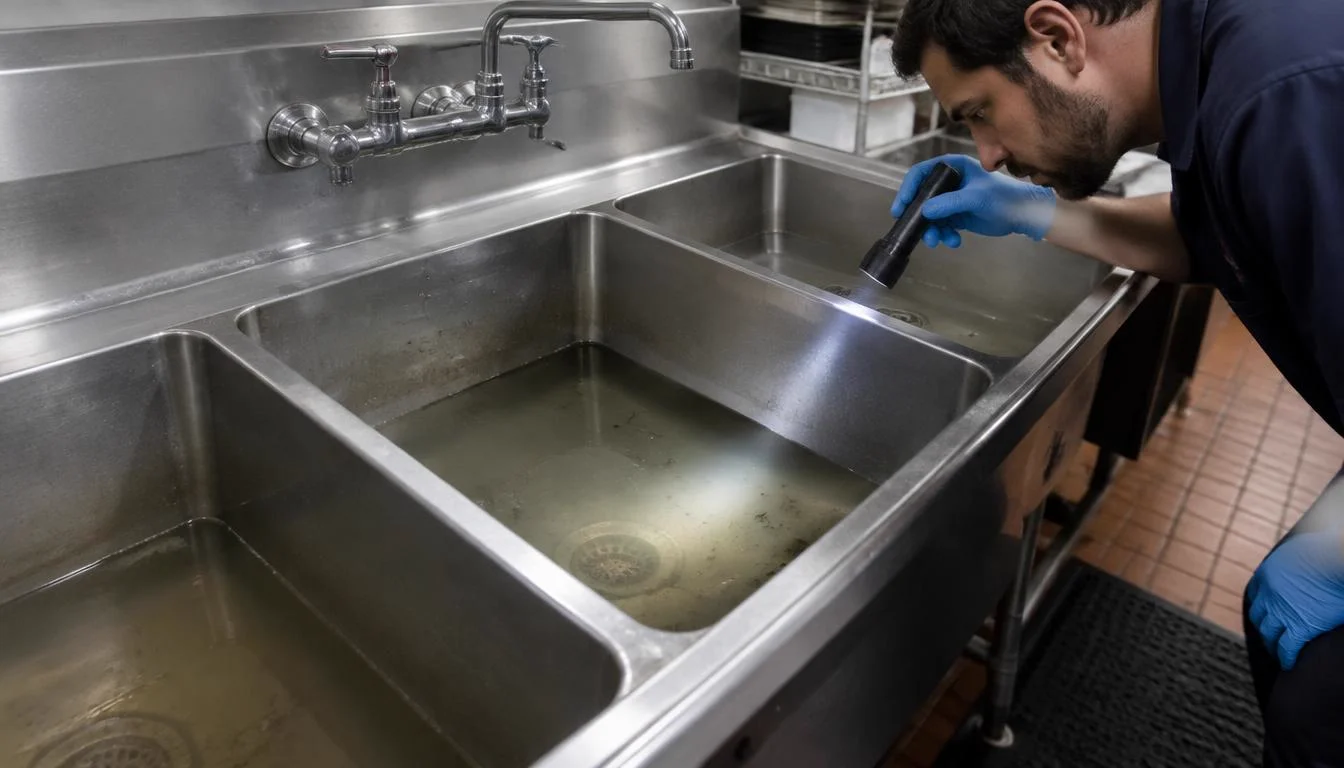
7 Signs Your Grease Trap Needs Cleaning (Before It Shuts Down Your Kitchen)
Slow drains, bad odors, backups? Learn the warning signs that your restaurant's grease trap needs cleaning, how to check it, and what to do next.
October 25, 2026 · 5 min read